Tag: NKKN MOONG DAL PAPAD

  • NKKN Coconut Oil – A Promise of Purity, Natural Care, and Everyday Wellness

    NKKN Coconut Oil – A Promise of Purity, Natural Care, and Everyday Wellness

    Introduction

    In today’s fast-paced world, people are becoming increasingly conscious of the products they use in their daily lives. From cooking ingredients to personal care essentials, consumers are looking for products that combine quality, purity, and reliability. Coconut oil is one such versatile product that has maintained its importance in Indian households for generations. Whether it is used for cooking, hair care, skincare, or traditional wellness routines, coconut oil continues to be a popular choice.

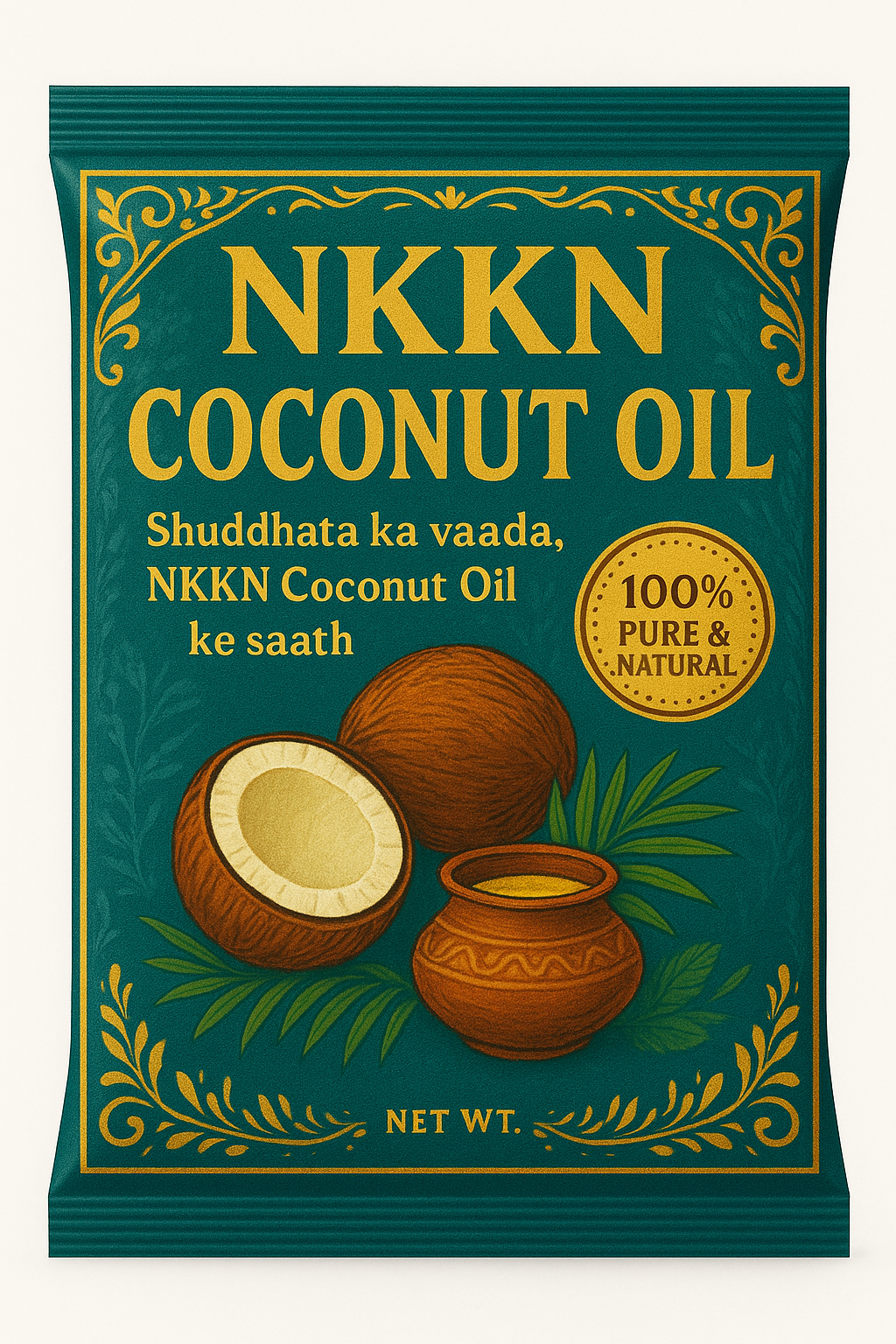
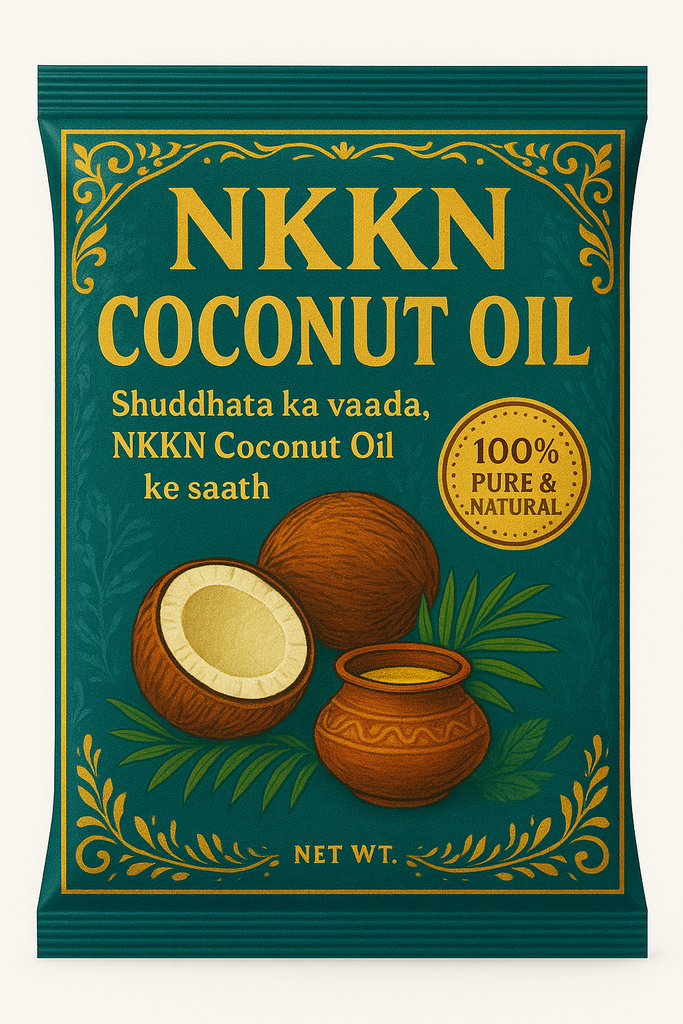
    Introducing NKKN Coconut Oil, a product presented with a beautiful combination of traditional values and modern packaging. With its attractive dark green and golden packaging, NKKN Coconut Oil reflects a commitment to purity, natural goodness, and quality. The product carries the message, “Shuddhata Ka Vaada, NKKN Coconut Oil Ke Saath,” highlighting the importance of purity in everyday life.

    The elegant packaging, coconut illustrations, and golden 100% Pure & Natural badge make NKKN Coconut Oil an appealing addition to the household essentials category. It represents a simple idea: bringing the goodness of coconut oil into everyday routines.

    1. Understanding the Goodness of Coconut Oil
    Coconut oil is a natural oil obtained from the kernel or white flesh of mature coconuts. It has been used across different cultures for centuries and is particularly popular in India because of its versatility.

    Coconut oil contains naturally occurring fatty acids, including lauric acid. Its distinctive texture, mild coconut aroma in some varieties, and multiple applications make it a widely used household product.

    Traditionally, coconut oil has been valued for various purposes, including:

    • Everyday cooking and food preparation.
    • Traditional hair oiling routines.
    • Moisturising dry skin.
    • Massage and body care.
    • Supporting traditional beauty and grooming practices.

    Its versatility makes coconut oil an essential product in many homes. NKKN Coconut Oil aims to bring this familiar household favourite to consumers through attractive presentation and a brand identity focused on purity.

    2. Introducing NKKN Coconut Oil

    NKKN Coconut Oil is designed to appeal to consumers who appreciate natural products and traditional household essentials. The product packaging communicates simplicity, elegance, and a connection with nature.

    The NKKN brand name is prominently displayed on the front, making the product easy to recognise. Below the brand name, the words “COCONUT OIL” clearly identify the product category.

    One of the most attractive features of the packaging is its purity-focused presentation. The golden circular badge displaying “100% PURE & NATURAL” creates a strong visual identity and communicates the product’s intended positioning.

    The packaging also features illustrations of fresh coconuts, coconut leaves, and a traditional oil container. These elements represent the natural origin and traditional importance of coconut oil.

    NKKN Coconut Oil is intended for consumers who value familiar ingredients, practical household products, and attractive branded packaging.

    3. Attractive Packaging That Reflects Quality

    Packaging plays an important role in creating a product’s first impression. Before purchasing a product, customers often notice its colour, design, brand name, and overall presentation.

    NKKN Coconut Oil features a rich dark green background combined with golden decorative elements. This colour combination creates a premium and traditional appearance.

    The packaging design includes several attractive features:
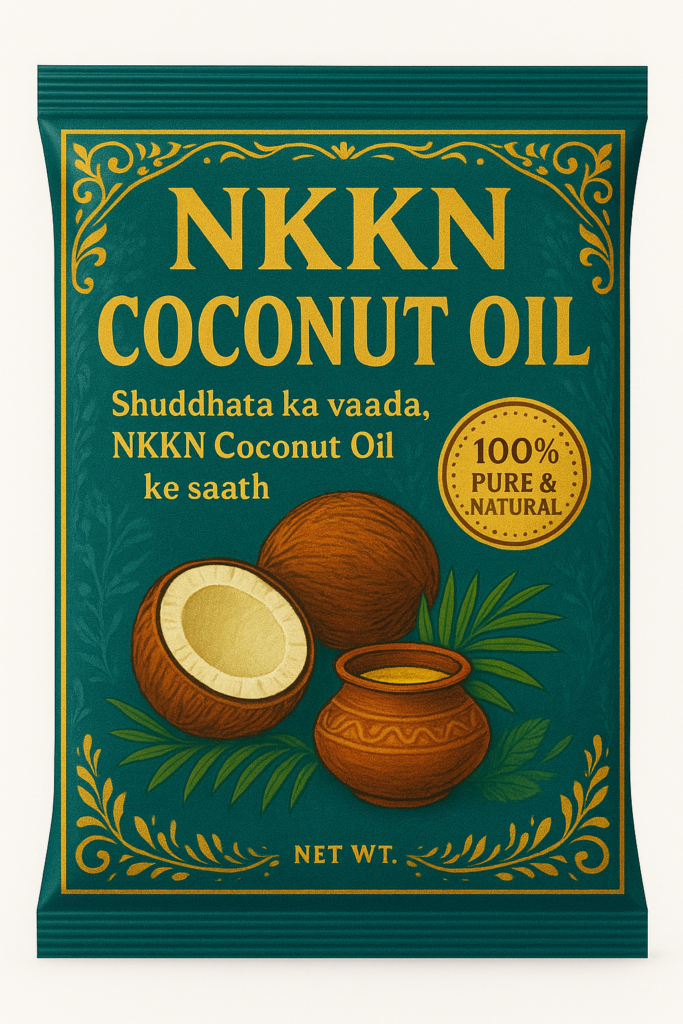
    Premium Dark Green Colour: The deep green background creates a visual connection with nature, freshness, and natural ingredients.

    Golden Decorative Border: The golden frame and ornamental patterns give the packaging an elegant and premium appearance.

    Prominent Brand Name: The large NKKN lettering ensures that the brand remains the main visual focus.

    Coconut Illustrations: The pictures of whole and cut coconuts communicate the product’s natural origin.

    Purity Badge: The circular golden badge highlights the product’s purity-focused identity.

    Together, these elements create an attractive package that can stand out on grocery store shelves and in online product catalogues.

    4. Coconut Oil for Everyday Hair Care

    Coconut oil has a long history of use in traditional Indian hair care routines. Many families include oiling as an important part of their regular grooming practices.

    Coconut oil can help condition the hair and reduce protein loss from hair strands. Its fatty acid composition, particularly its lauric acid content, allows it to interact with hair fibres.

    Some commonly practised hair care applications include:

    • Applying oil before washing the hair.
    • Gently massaging the scalp as part of a traditional grooming routine.
    • Applying a small quantity to dry hair lengths.
    • Using it to condition hair before shampooing.

    A regular hair care routine should always consider individual hair type and scalp requirements. People with sensitive scalps should test a small amount before regular use.

    NKKN Coconut Oil can be positioned as a familiar addition to traditional hair care routines, provided the product is labelled and suitable for cosmetic use.

    5. Coconut Oil for Skin Care

    Coconut oil is also commonly used in traditional skincare practices. Its emollient properties make it useful for helping soften and moisturise dry skin.

    People often use coconut oil in different ways, such as:

    Daily Moisturising: A small quantity may be applied to dry areas of the body to help reduce moisture loss.

    Body Massage: Coconut oil is traditionally used for body massage because of its smooth texture.

    Dry Elbows and Knees: It can be applied to rough areas to help improve skin softness.

    Traditional Beauty Routines: Some people include coconut oil in homemade skincare practices.

    However, coconut oil may not suit every skin type. It can clog pores in some individuals, especially those with acne-prone skin. A patch test is recommended before applying it regularly to the face or sensitive areas.

    Consumers should always check whether the specific NKKN Coconut Oil variant is intended for cosmetic use.

    6. Coconut Oil in Indian Cooking

    Coconut oil has an important place in Indian food traditions, particularly in southern coastal regions. It is used in several traditional recipes because of its distinctive characteristics.

    Depending on the product’s grade and suitability for consumption, coconut oil may be used for:

    • Preparing traditional vegetable dishes.
    • Cooking regional recipes.
    • Preparing coconut-based curries.
    • Making selected traditional snacks.
    • Adding flavour to certain food preparations.

    Coconut oil contains a high proportion of saturated fats, so it should be consumed in moderation as part of a balanced diet.

    For consumers interested in using NKKN Coconut Oil for cooking, the product label should clearly confirm that the particular variant is food-grade and suitable for edible use.

    7. Why Purity Matters When Choosing Coconut Oil

    Purity is one of the most important considerations when purchasing any edible or personal care oil.

    Consumers should pay attention to several factors before selecting coconut oil.

    Ingredient Information: Check whether the product contains only coconut oil or includes additional ingredients.

    Manufacturing Details: Reliable product information should explain the manufacturing and processing details.

    Packaging Quality: Properly sealed packaging helps protect the oil from contamination and leakage.

    Storage Instructions: Consumers should follow the recommended storage conditions printed on the label.

    Expiry and Batch Details: Manufacturing date, batch number, expiry or best-before information, and manufacturer details help consumers make informed purchasing decisions.

    NKKN can build consumer confidence by providing clear, accurate, and transparent product information on its packaging.

    8. The Importance of Quality Packaging

    Good packaging is more than an attractive design. It also plays a practical role in protecting a product during transportation, storage, and distribution.

    For an oil-based product, packaging should be designed to minimise leakage and protect the contents from contamination.

    The NKKN Coconut Oil pouch features a sealed packet format with a prominent front label. Its compact visual presentation is suitable for displaying important product information.

    For a complete retail-ready package, the following information should also be included:

    • Net quantity.
    • Maximum Retail Price (MRP).
    • Manufacturing and packaging date.
    • Best-before or expiry information, as applicable.
    • Batch or lot number.
    • Manufacturer and marketer details.
    • Customer care information.
    • Ingredient declaration.
    • Applicable food or cosmetic licence details.
    • Usage and storage instructions.

    Providing these details helps consumers understand the product and supports a professional brand presentation.

    9. NKKN – Building a Recognisable Household Brand

    A successful consumer brand is built through consistent quality, customer trust, attractive presentation, and clear communication.

    NKKN aims to create a recognisable identity across different everyday product categories. Coconut oil represents an opportunity to connect with consumers who appreciate traditional household essentials.

    The dark green and golden design gives NKKN Coconut Oil a distinctive appearance. The prominent logo and product name help customers identify the brand.

    Maintaining a consistent visual identity across different NKKN products can also strengthen brand recognition. When customers see familiar packaging elements across a product range, they can more easily recognise the brand.

    For long-term success, NKKN should focus on product quality, transparent labelling, appropriate packaging, and responsive customer service.

    10. How to Store Coconut Oil Properly

    Proper storage helps maintain the quality of coconut oil over time.

    Consumers should follow these simple recommendations:

    1. Store the oil in a clean, dry place.
    2. Keep the packaging properly sealed after opening.
    3. Avoid unnecessary exposure to direct sunlight and excessive heat.
    4. Do not allow water or other contaminants to enter the container.
    5. Follow the storage instructions provided by the manufacturer.

    Coconut oil can naturally change its physical appearance depending on temperature. It may become solid in cooler conditions and liquid in warmer conditions. This change is generally a normal characteristic of coconut oil and does not automatically indicate spoilage.

    Consumers should always check the product’s smell, appearance, packaging condition, and expiry information before use.

    11. Coconut Oil as a Versatile Household Essential

    One of the biggest advantages of coconut oil is its versatility. Unlike products designed for only one specific purpose, coconut oil has a place in different traditional household routines.

    In many Indian homes, it is associated with hair oiling, body massage, skincare, and regional cooking traditions.

    Its long-standing popularity makes it a familiar product for different generations. Older family members may appreciate its traditional uses, while younger consumers may explore its applications through modern beauty and personal care routines.

    This combination of traditional familiarity and everyday usefulness makes coconut oil an interesting product category for a growing consumer brand like NKKN.

    12. Why Customers May Choose NKKN Coconut Oil

    Consumers often compare several factors before selecting an everyday household product. NKKN Coconut Oil offers an attractive brand presentation built around the familiar appeal of coconut oil.

    Some features that can make the product appealing include:

    • A recognisable NKKN brand identity.
    • An attractive dark green and golden packaging design.
    • Clear product identification.
    • A natural coconut-themed visual presentation.
    • A purity-focused brand message.
    • Potential applications in traditional household routines, depending on the product grade.

    Most importantly, customer satisfaction will depend on the actual quality, purity, safety, and consistency of the oil supplied.

    A strong brand promise should always be supported by reliable manufacturing practices and accurate product information.

    13. The Future of Coconut Oil in the Consumer Market

    The market for traditional oils continues to offer opportunities for brands that understand changing consumer expectations.

    Today’s customers often look for a combination of traditional value and modern convenience. They want products that are easy to identify, properly packaged, clearly labelled, and supported by trustworthy brand information.

    E-commerce has also created new opportunities for household products. Customers can discover and compare different brands through online marketplaces, websites, and social media platforms.

    NKKN Coconut Oil can benefit from a professional digital presence featuring high-quality product photographs, informative descriptions, clear packaging details, and educational content about coconut oil.

    A consistent marketing strategy can help introduce the product to a wider audience while strengthening the NKKN brand identity.

    14. A Promise of Purity and Natural Goodness

    The message “Shuddhata Ka Vaada, NKKN Coconut Oil Ke Saath” reflects the central theme of the product’s packaging: purity and natural goodness.

    Coconut oil is a familiar ingredient with a long history in Indian households. Its versatility, traditional importance, and wide range of applications make it a valuable everyday product.

    With its attractive green-and-gold design, prominent NKKN branding, and coconut-inspired illustrations, NKKN Coconut Oil presents a traditional household essential in a modern retail format.

    For a brand, earning customer trust requires more than attractive packaging. Consistent quality, transparent information, responsible manufacturing, and customer satisfaction must remain the foundation of every product.

    Conclusion

    NKKN Coconut Oil brings together the traditional appeal of coconut oil and an elegant, premium-looking packaging concept. From traditional hair care and skin moisturising routines to suitable cooking applications, coconut oil continues to hold an important position in everyday life.

    The product’s dark green and golden packaging creates a distinctive visual identity, while the NKKN name and coconut illustrations communicate its product category clearly.

    As consumers continue to explore familiar natural ingredients and practical household essentials, NKKN Coconut Oil has the opportunity to become a recognisable name in the coconut oil category.

    With a continued focus on product quality, purity, transparent labelling, and customer satisfaction, NKKN can strengthen its position as a brand offering everyday products with a commitment to quality.

    NKKN Coconut Oil – Shuddhata Ka Vaada, NKKN Coconut Oil Ke Saath!
  • NKKN Brand Moong Dal Papad: A Perfect Blend of Traditional Indian Taste and Premium Quality

    NKKN Brand Moong Dal Papad: A Perfect Blend of Traditional Indian Taste and Premium Quality

    Introduction: Experience the Traditional Taste of NKKN Brand Moong Dal Papad

    Indian cuisine is celebrated around the world for its rich flavors, diverse ingredients, and wonderful variety of traditional foods. From delicious curries and aromatic rice dishes to tangy pickles and crispy accompaniments, every element contributes to the unique experience of an Indian meal. Among these beloved food items, papad holds a special place in Indian households.

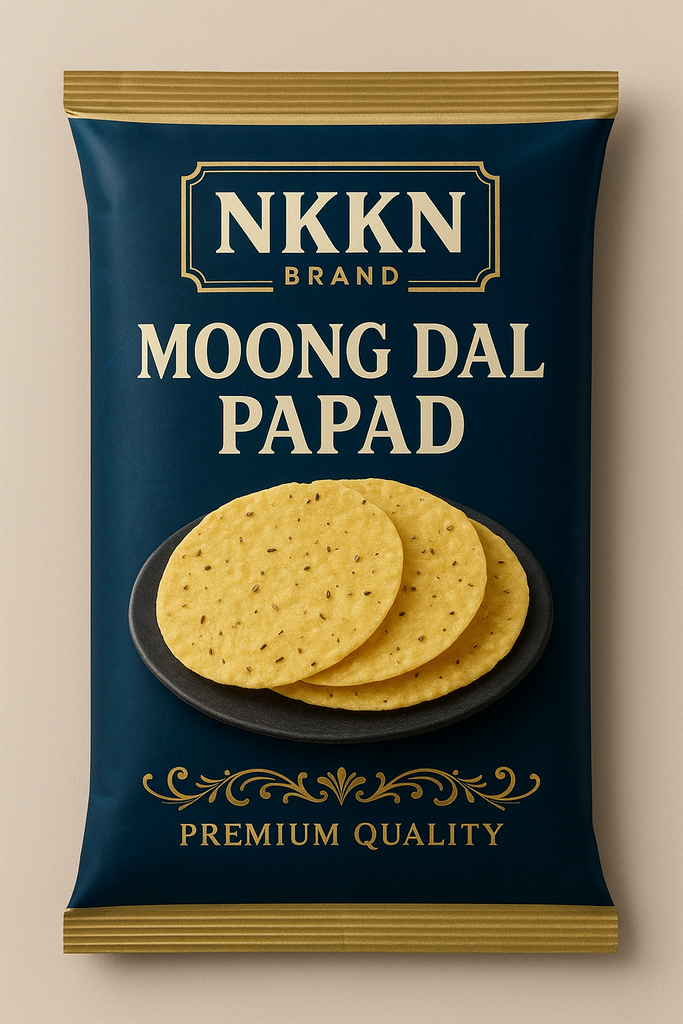
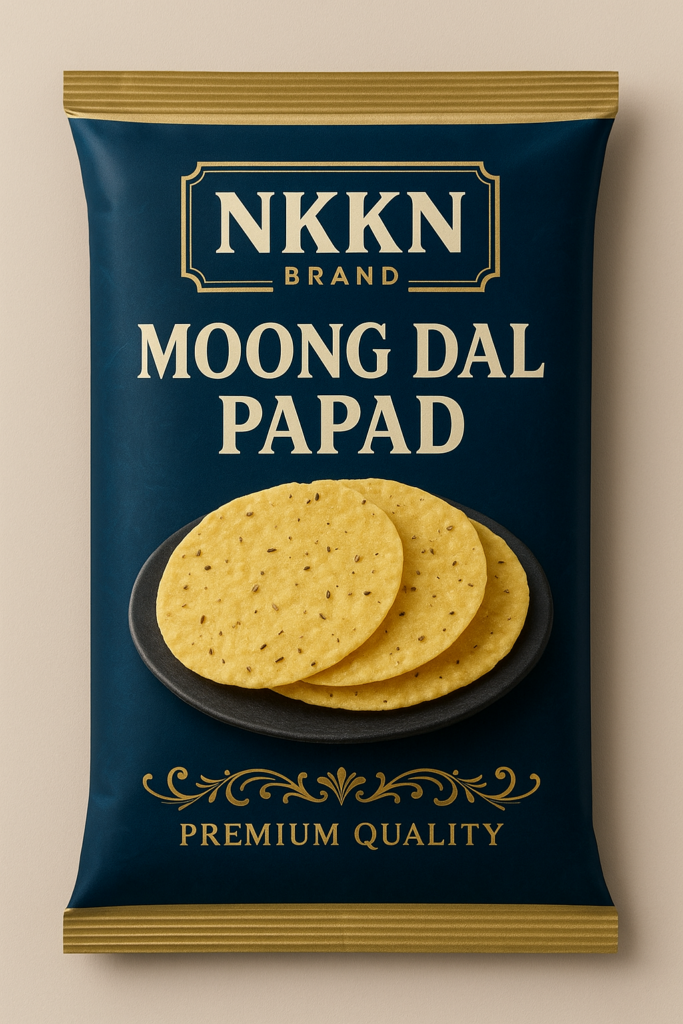
    Introducing NKKN Brand Moong Dal Papad, a traditional-style Indian papad presented in attractive navy-blue and gold packaging. Made to represent the familiar appeal of moong dal-based papad, this product is an excellent option for people who enjoy adding a crispy accompaniment to their everyday meals.

    Moong dal, also known as split mung beans, is widely used in Indian cooking. It features in various traditional recipes, including dals, snacks, and other regional preparations. Moong dal papad brings this familiar ingredient into a thin, dried food product that can be prepared according to the manufacturer’s instructions and served with a variety of Indian dishes.

    Whether you are enjoying a simple lunch at home, preparing dinner for your family, or organizing a special meal for guests, papad can add texture and variety to the dining table.

    NKKN Brand Moong Dal Papad combines the traditional appeal of papad with a distinctive product presentation. In this blog, we will explore its culinary appeal, serving ideas, preparation methods, storage recommendations, and the important factors customers should consider when choosing packaged papad.

    1. What Is Moong Dal Papad?

    Moong dal papad is a traditional Indian papad variety generally prepared using moong dal or ingredients derived from mung beans. Depending on the recipe, additional ingredients such as salt, spices, seasonings, and suitable binding ingredients may be included.

    The mixture is shaped into thin discs and dried. Before consumption, the papad is prepared using an appropriate cooking method, depending on the product formulation.

    When properly cooked, moong dal papad can develop a crispy texture that complements the soft textures of many Indian dishes.

    Papad recipes vary between regions and manufacturers. Some varieties have a mild flavor, while others feature distinctive seasoning or spices.

    Moong dal papad is commonly enjoyed as an accompaniment rather than as the main component of a meal. Its versatility makes it suitable for serving alongside rice, dal, vegetables, roti, chutneys, and pickles.

    NKKN Brand Moong Dal Papad presents this familiar food category in packaging that emphasizes the product name and brand identity.

    2. NKKN Brand Moong Dal Papad: Attractive Packaging with Traditional Appeal

    Packaging is an important part of the modern food industry. It protects the product, communicates essential information, and helps customers identify a brand.

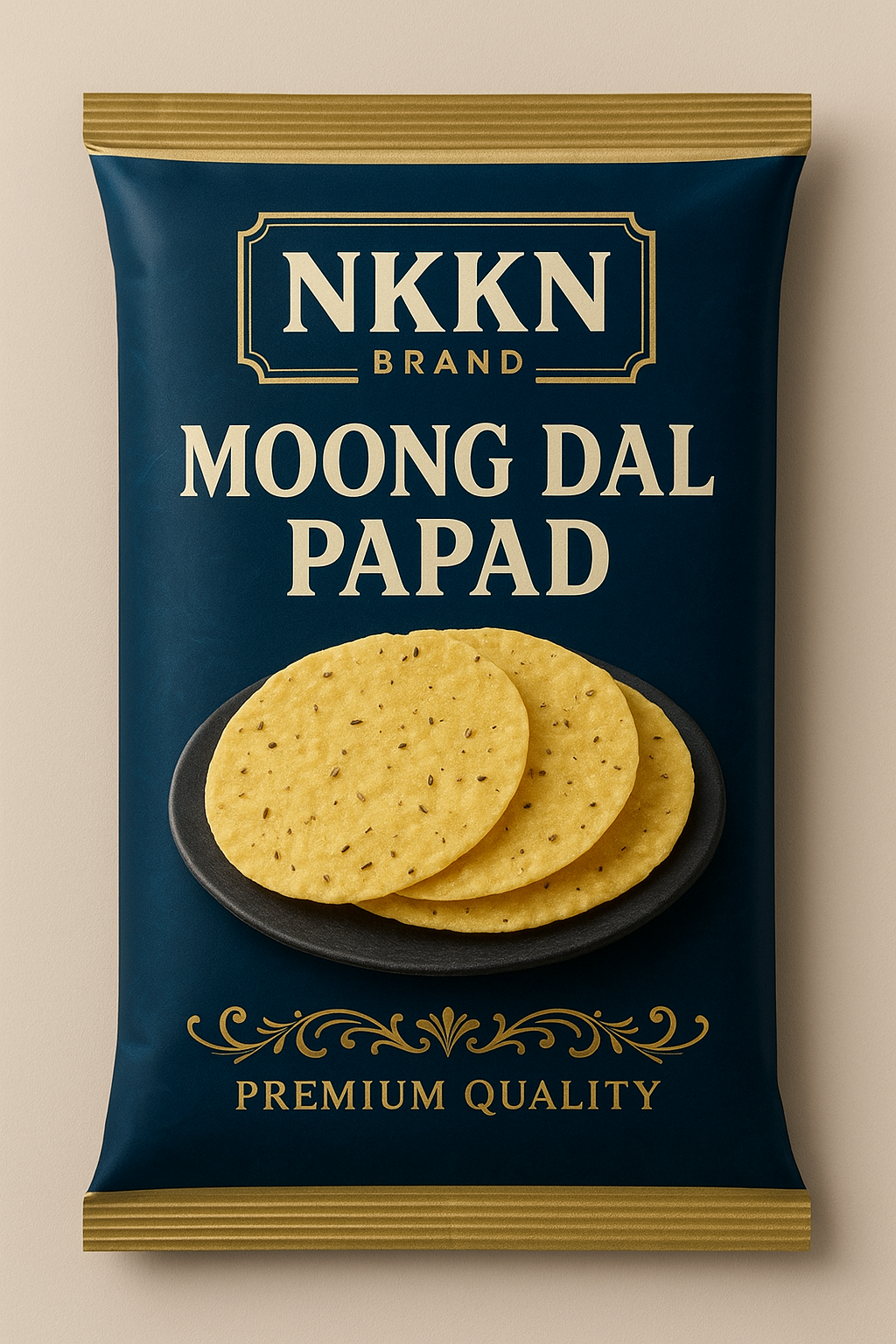
    The NKKN Brand Moong Dal Papad package features a deep navy-blue background complemented by golden borders and decorative elements. The large product lettering makes the name easy to recognize, while the image of papads arranged on a plate provides a clear visual representation of the product.

    The design combines traditional decorative details with a modern presentation.

    Several elements contribute to its visual appeal:

    Prominent brand identity: The NKKN name is displayed prominently, making the brand easy to identify.

    Clear product information: The words “Moong Dal Papad” appear in large lettering on the front of the package.

    Elegant color combination: Navy blue and gold create a distinctive and premium-looking appearance.

    Food-focused imagery: The picture of papads helps customers recognize the product category.

    Retail presentation: The organized layout gives the packaging a clean and recognizable appearance.

    While attractive packaging can help a product stand out, the actual quality of the food remains essential. Ingredient transparency, hygienic manufacturing, proper storage, and accurate labelling are important factors in building customer confidence.

    3. Why Moong Dal Papad Is Popular in Indian Cuisine

    Papad has been a familiar part of Indian food culture for generations. Different regions have developed their own styles, using various ingredients, spices, and preparation methods.

    Moong dal papad is one variety appreciated by people who enjoy traditional Indian accompaniments..

    NKKN
    National Kisaan Khadhaya Nigam

    A Classic Addition to Everyday Meals

    Indian meals often include several dishes with different textures. Rice, dal, roti, and vegetable curries are common examples of foods that can be complemented by a crispy papad.

    The contrast between a soft main dish and a crunchy accompaniment creates a more varied eating experience.

    A Versatile Food Product

    Papad can be served with a wide range of dishes. It may accompany a simple home-cooked meal or form part of a larger spread prepared for guests.

    Its versatility allows households to include it in different menus according to personal preferences.

    Convenient Preparation

    Many dried papad products require only a short preparation time when cooked according to the package instructions.

    This makes papad a practical accompaniment when the main dishes are already prepared.

    Traditional Food Heritage

    Moong dal is an established ingredient in Indian cooking. Using it in papad connects a familiar pulse with a traditional food preparation.

    For people who enjoy Indian culinary traditions, moong dal papad offers a recognizable and adaptable accompaniment.

    4. Important Quality Factors in Moong Dal Papad

    Quality is a key consideration when purchasing any packaged food.

    Customers expect food products to be appropriately manufactured, hygienically handled, correctly labelled, and protected during transportation and storage.

    Several factors are important when evaluating a packaged moong dal papad product.

    Ingredient Quality

    The ingredients determine the product’s composition, flavor, and texture.

    Customers should read the ingredient list on the NKKN Brand Moong Dal Papad package to confirm the actual ingredients used in its preparation.

    Hygienic Manufacturing

    Food should be produced and handled under appropriate hygiene and food-safety conditions.

    Manufacturers should follow applicable regulations and maintain suitable quality-control procedures throughout production and packaging.

    Packaging Protection

    Packaging helps protect dried food products from environmental exposure.

    Customers should inspect the package before purchasing and avoid products with damaged seals, tears, or signs of improper storage.

    Freshness and Storage

    Moong dal papad should be stored according to the manufacturer’s instructions.

    Exposure to moisture can affect the texture of dried papad and may compromise product quality if storage conditions are unsuitable.

    Accurate Product Labelling

    Customers should be able to access the required product information, including ingredients, net quantity, manufacturer details, batch information, applicable dates, storage instructions, and nutrition information where required.

    For NKKN Brand Moong Dal Papad, the actual package should be treated as the primary source of verified product-specific information.

    5. How to Prepare NKKN Brand Moong Dal Papad

    Preparation plays an important role in the final texture and eating experience of papad.

    Different products may require different cooking methods, so always follow the instructions printed on the NKKN package.

    Two common methods used for suitable papad products are roasting and frying.

    Roasting Method

    Roasting can be suitable for papads designed to be prepared without deep-frying.

    A typical approach involves heating an appropriate roasting surface and placing the papad over the heat. Turn it carefully so that it cooks evenly.

    Avoid excessive heat, which may burn the papad before it cooks properly.

    Once prepared, allow it to cool briefly and serve while crisp.

    Frying Method

    Some papad varieties are intended to be fried.

    If the package recommends frying, heat cooking oil appropriately and follow the product’s preparation directions. Thin papads can cook quickly, so careful attention is important.

    Remove the papad with suitable utensils and allow excess oil to drain before serving.

    Always take care when working with hot oil, and never leave it unattended.

    Serve Freshly Prepared Papad

    Papad is generally most enjoyable when served shortly after cooking.

    Humidity and steam can soften crispy foods, so prepare papad close to serving time whenever possible.

    6. Delicious Ways to Enjoy Moong Dal Papad

    One of the biggest advantages of moong dal papad is its versatility. It can complement several popular Indian dishes without requiring an elaborate serving arrangement.

    Here are some simple ideas for enjoying NKKN Brand Moong Dal Papad.

    With Dal and Rice

    Dal and rice are familiar staples in many Indian households.

    Serving crispy papad alongside them adds a contrasting texture to the meal. The papad can be served whole or broken into smaller pieces.

    With Roti and Vegetable Curry

    Roti and sabzi form another classic Indian meal combination.

    A papad served on the side can add extra crunch and variety to the plate.

    With Pickles

    Indian pickles offer a variety of flavors, including tangy, salty, and spicy notes.

    A small serving of pickle alongside moong dal papad can create an appealing combination for people who enjoy traditional accompaniments.

    With Chutneys

    Mint chutney, coriander chutney, and tamarind chutney can complement the texture of freshly prepared papad.

    Serve chutneys separately so that the papad remains crisp until it is eaten.

    With Curd and Raita

    Plain curd and raita are common additions to Indian meals.

    Their cool, creamy texture can contrast pleasantly with crispy papad. Keeping the papad separate from moist foods helps maintain its crunch.

    As a Meal Garnish

    Crumbling prepared papad into small pieces can add texture to selected rice dishes or other suitable recipes.

    Add it immediately before serving to help preserve the crispness.

    7. Moong Dal Papad for Family Meals and Celebrations

    Food plays an important role in Indian family life. Everyday lunches, weekend dinners, festivals, and family gatherings often bring people together around the dining table.

    Papad can be a useful addition to these occasions because it can accompany a variety of traditional dishes.

    Everyday lunches: Serve papad alongside dal, rice, roti, and vegetables for a more varied meal.

    Family dinners: Include papad as an accompaniment to favorite homemade dishes.

    Festive meals: Add it to a traditional spread when it complements the menu and guests’ preferences.

    Guest gatherings: Offer freshly prepared papad with suitable chutneys or pickles.

    Special dinners: Use papad as one of several accompaniments that add variety to the dining experience.

    When serving larger groups, prepare appropriate quantities and follow the package’s preparation and storage guidance.

    8. How to Store Moong Dal Papad Properly

    Proper storage is essential for preserving the quality of dried food products.

    Moong dal papad should be protected from moisture, unsuitable temperatures, and contamination.

    Follow these practical recommendations:

    • Keep the package sealed: Close it securely after opening.
    • Use a dry storage location: Avoid damp areas and locations exposed to steam.
    • Consider an airtight container: If appropriate, transfer the remaining papad to a clean, dry, airtight container.
    • Avoid direct sunlight: Follow the manufacturer’s recommended storage conditions.
    • Use clean, dry hands or utensils: This helps prevent moisture and contamination.
    • Check the printed dates: Follow the applicable best-before or other date information.
    • Inspect before cooking: Do not consume products showing visible mold, unusual discoloration, unexpected odors, or other signs of deterioration.

    Always follow the storage instructions provided on the NKKN Brand Moong Dal Papad package.

    9. Moong Dal Papad and Balanced Eating

    Moong dal is a pulse widely used in Indian cooking and is known for containing protein and other nutrients. However, the nutritional composition of moong dal papad depends on its formulation, serving size, and preparation method.

    The nutritional properties of the finished papad should not be assumed to be identical to those of plain cooked moong dal.

    For example, frying may increase the fat and energy content because some cooking oil can be absorbed during preparation. Roasting may require less added oil when the product is suitable for that method.

    A few considerations can help customers make informed choices.

    Pay Attention to Portion Size

    Papad is generally consumed as an accompaniment. Enjoying a suitable portion alongside a varied meal can help maintain balance.

    Check Sodium Content

    Depending on the recipe, papad may contain added salt and seasonings. Customers monitoring their sodium intake should review the nutrition information and choose portions accordingly.

    Review the Ingredients

    People with food allergies or dietary restrictions should carefully check the ingredient list and allergen declaration.

    Consider the Complete Meal

    A varied meal may include vegetables, pulses, grains, and appropriate protein sources. Papad can complement these foods but should not replace more substantial components of the diet.

    For specific nutritional information about NKKN Brand Moong Dal Papad, consult the product’s nutrition panel.

    10. What Makes NKKN Brand Moong Dal Papad Worth Considering?

    When choosing packaged food, customers often consider product identity, convenience, presentation, and suitability for their meals.

    NKKN Brand Moong Dal Papad offers a recognizable traditional product category with distinctive navy-blue and gold packaging.

    Distinctive Branding

    The prominent NKKN name helps identify the product and creates a recognizable visual identity.

    Traditional Culinary Appeal

    Moong dal papad belongs to a familiar category of Indian meal accompaniments, making it relevant to people who enjoy traditional food.

    Versatile Serving Options

    It can be paired with a variety of dishes, including dal, rice, roti, vegetable curries, pickles, and chutneys.

    Convenient Meal Accompaniment

    When prepared according to the instructions, papad can be a convenient addition to meals without requiring an elaborate recipe.

    Attractive Presentation

    The navy-blue background, golden details, and product imagery give the package a distinctive appearance.

    Ultimately, customers should consider the actual ingredients, freshness, quality, price, package information, and preparation requirements before making a purchasing decision.

    11. Building Customer Trust Through Quality and Transparency

    A successful food brand depends on more than attractive packaging. Customer trust is built through reliable product quality, accurate information, and responsible business practices.

    For NKKN, several principles are particularly important.

    Consistent quality: Appropriate quality-control procedures can help maintain product consistency.

    Transparent labelling: Clear ingredient information and accurate product details help customers make informed decisions.

    Food safety: Hygienic manufacturing, suitable packaging, and proper storage are essential.

    Responsible communication: Brands should avoid unsupported claims about nutrition, health benefits, certifications, or manufacturing processes.

    Customer feedback: Listening to customers can help identify opportunities to improve product quality and the overall customer experience.

    By focusing on these areas, a food brand can work toward building lasting customer relationships.

    12. Tips for Buying and Serving Packaged Moong Dal Papad

    Before purchasing or preparing packaged papad, keep the following suggestions in mind:

    1. Check that the packaging is properly sealed and undamaged.
    2. Read the ingredient list and allergen information.
    3. Review the product’s date and storage information.
    4. Follow the recommended preparation method.
    5. Serve the papad soon after cooking.
    6. Store unused papad in a dry place.
    7. Pair it with suitable Indian dishes and accompaniments.
    8. Review nutritional information when managing dietary requirements.
    9. Purchase from sellers who handle and store food appropriately.
    10. Avoid consuming products that show signs of deterioration.

    These simple steps can help improve the overall experience of enjoying papad at home.

    13. Frequently Asked Questions About NKKN Brand Moong Dal Papad

    Q1. What is NKKN Brand Moong Dal Papad?

    NKKN Brand Moong Dal Papad is presented as a moong dal papad product in distinctive navy-blue and gold packaging. Check the product label for its exact ingredients and specifications.

    Q2. How can moong dal papad be served?

    It can be served alongside dal, rice, roti, vegetable curries, pickles, and chutneys, depending on personal preferences.

    Q3. Can moong dal papad be roasted?

    Some papad varieties can be roasted. Follow the instructions on the NKKN package to determine the appropriate preparation method.

    Q4. How should moong dal papad be stored?

    Keep it in a dry place, protect it from moisture, and reseal the package after opening. Follow the manufacturer’s storage instructions.

    Q5. Is moong dal papad suitable for everyday meals?

    It can be enjoyed as an accompaniment to everyday meals, subject to individual dietary needs and preferences. Check the ingredient and nutrition information.

    Q6. What should customers check before buying?

    Check the package seal, ingredients, allergen information, net quantity, manufacturer details, applicable dates, and required product information.

    Q7. What makes the NKKN packaging distinctive?

    The package features a navy-blue background, golden decorative elements, prominent brand lettering, and an image of papads arranged on a plate.

    Q8. Where can customers find nutritional information?

    Refer to the nutrition panel on the actual product package for verified nutritional information.

    Conclusion: Enjoy Traditional Indian Flavors with NKKN Brand Moong Dal Papad

    Papad remains a familiar part of Indian food culture because of its versatility and its ability to complement many traditional meals.

    NKKN Brand Moong Dal Papad presents this classic food category in attractive navy-blue and gold packaging that emphasizes brand recognition and product presentation.

    Whether served with dal and rice, paired with roti and sabzi, or enjoyed alongside chutney and pickle, moong dal papad can add a crispy element to the dining table. Its versatility makes it suitable for a variety of everyday meals and special occasions.

    For customers, product quality, accurate labelling, suitable preparation, and proper storage remain essential considerations. For the brand, maintaining these standards and communicating transparently can help build customer confidence.

    If you enjoy traditional Indian meal accompaniments, NKKN Brand Moong Dal Papad is a product worth exploring. Check the package for complete product information, prepare it as directed, and enjoy it with your favorite Indian dishes.

    NKKN Brand Moong Dal Papad — Bringing Traditional Indian Taste and Everyday Meal Enjoyment to Your Table.